Showing posts with label live plants. Show all posts

Tuesday, November 24, 2015

The Classroom Aquarium

Pets are a common fixture in many elementary classrooms all around the country. I still remember walking into my 2nd grade teacher’s room and brimming with joy that she had a fish tank. And I’m not alone in that delight. Many researchers have found that classroom pets have a positive impact on students. Pets increase students’ positive attitude towards school and can actually make them want to come to school (Anderson & Olsen). They have been found to improve the emotional well-being of students and contribute to humane education (Daly & Suggs). Contrary to popular belief, one study showed pets did not distract from the teacher (Kortschal & Ortbauer).  And of all the possible choices for classroom pets, fish are the most common (Rud & Beck).

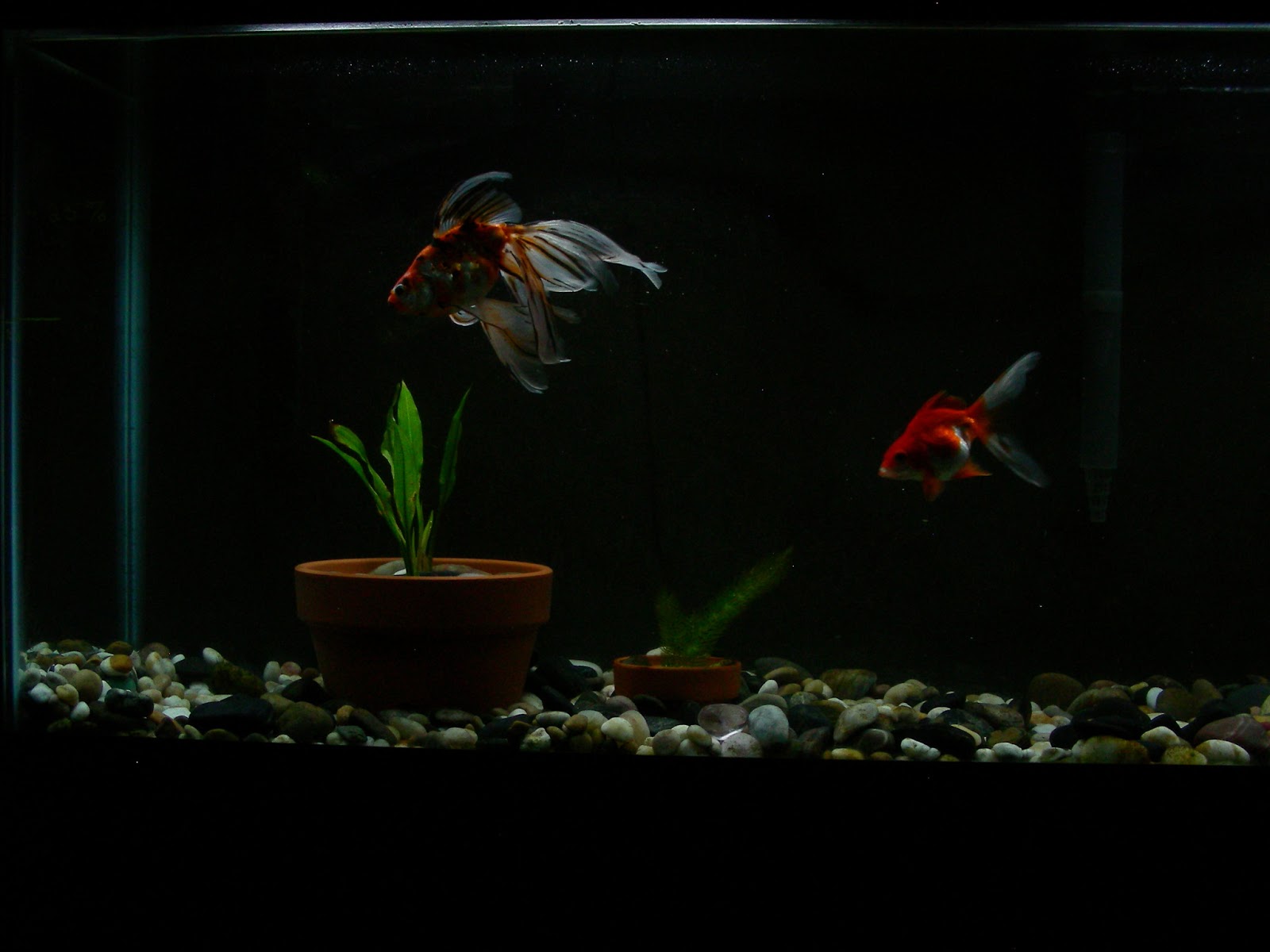
Freshwater aquarium (Neale Monks)
This is with good reason. Fish are relatively easy to care for. They don’t need to be fed daily, so they can easily be left over the weekend or a short break. During the summer, they can be taken home or just cared for on a weekly basis. There are also a wide variety of species that can be very easily acquired. It is also possible to keep fishes that are native to your location to give students a view of wildlife they don’t normally see.


Aquariums also have a well-established relaxing effect. Watching aquariums is known to reduce heart rate and blood pressure (Cracknell et al). And if I remember school correctly, tests certainly can generate some elevated heart rates! My mother is a middle school teacher and if there is one thing teachers need, it’s reduced stress levels. So in this way, the fish tank will help the teacher as much as the students. 

Lessons with an Aquarium


Aquariums can be very useful teaching tools. Students can examine how a fish tank attempts to reproduce a native habitat. How the light emulates the sun; how the filter gives the fish clean water like a stream; how the pump oxygenates the water like a waterfall. If native species are available students can observe their natural habitat and try to recreate it. Fish don’t have to be the only inhabitants in an aquarium. Plants can be added to further simulate a natural environment. Plants can also be used to introduce students to the idea of nutrient cycling.

Trout Unlimited volunteer helping with tank maintenance on the class's Trout in the Classroom project. Trout in the Classroom is a program started by the nonprofit Trout Unlimited which seeks to preserve freshwater streams and rivers around the USA. Students raise fish from eggs and release them at the end of the year. (Julia Ross, Troutfest.org)

Water chemistry and pollution are other lesson that can be taught with fish tank. Many pet stores carry small freshwater testing kits simple enough for middle school students. They can measure, record, and graph the temperature, pH, and nitrate levels in their fish tank. These water quality readings can be compared to local a river or pond. Teachers can actually let the fish tank get dirty to show students what happens to fish in polluted environments.

The nitrogen cycle is very important to success with an aquarium, and although it isn’t the same nitrogen cycle that happens in the air, it can be used to introduce students to the concept. Fish tanks can also help illustrate the water cycle from cloud to ocean. Students can even measure how much water evaporates from the tank on a weekly basis.

Math and science are very tightly linked, so an aquarium can also help with math lessons! Students can calculate the volume and surface area of the fish tank and convert those measurements from metric to standard units. From the volume, you can have them calculate the weight of the aquarium (hint hint, water weights 8.34 lb/gallon). These fun examples bring math out of the textbook and into real world.

Help Setting up a Tank


Right about now, you may be thinking, this sounds great but where do I start? Thankfully fish tanks aren’t difficult to set up and maintain, but they will require a bit of effort on your part initially. The first thing you will want to read and research is the freshwater nitrogen cycle. This is the article I wrote on it. Many many resources exist online to help you in starting a fish tank, and I encourage you to check out the other fish blogs I recommend for additional resources. My friend Mari at Aquariadise has some wonderful articles to help new fishkeepers such as types of filters & choosinga substrate. The National Science Teachers Association also has guidelines for keeping live animals in the classroom which I highly recommend reading.

Suggestions to a New Fishkeeper


If native fish are at all an option, I highly recommend them. In the eastern USA we have many stunningly beautiful fish right in our own backyard. You can read more about them in my article: The Beauty in Your Backyard.

 If native fish aren’t an option, then the next best suggestions I can make are small tetra like the glowlight (Hemigrammus erythrozonus) and X-ray tetra (Pristella maxillaris). Small barbs like cherry barbs (Puntius titteya) and gold barbs (Barbodes semifasciolatus) also make great classroom fish. Zebra danio/glo-fish (Danio rerio) are a staple and great, hardy fish. All of these species need to be in groups larger than 10 because they are shoaling species, meaning they survive best when in groups. They all need a tank larger than a 10 gallon, too. You can read more about these species in my article: Best and Worst Beginner Fish.

A few of the glowlight tetra in my personal tank. They are rather hardy and don't mind me leaving them for a weekend. 

For tank size, I recommend starting with a 20 or 30 gallon tank. It seems counter-intuitive but small tanks are actually harder to keep. Larger volumes of water mean there is more of a buffer in case something goes wrong. Larger tanks also mean you’ll be able to keep more fish which are always delightful to students.  

I highly recommend plants in an aquarium. They create a soothing natural environment and open new doors for educational opportunities in addition to helping keep it clean. To successfully grow plants you will need a plant-specific light. An aquarium kit should come with a hood and light, but that light isn’t going to be tailored to plants. You will need to get a 6500k full spectrum daylight bulb. Many pet stores also sell these, but hardware stores will have them if your pet store doesn’t. They only need to be replaced once a year to keep your plants growing green and beautiful. Some plant species that are a good, hardy beginner species are anubias, java fern, amazon sword, and duckweed. Pet stores often have these common plants for sale.

Help with Funding


Aquariums (like all pets) require money, but fortunately for you, there is a nonprofit organization that gives grants for teachers interested in getting a classroom pet. Pets in the Classroom allows teachers to submit proposals for grants to assist with setting up and maintaining classroom pets. Their website also contains lesson plan and habitat ideas for many species of pets. I highly encourage you to check it out. If regulations and demographics allow, you can ask for a small donation from your students to help fund your classroom pet experience.

Works Referenced

Anderson, K.L. and M.R. Olson. 2006. The value of a dog in a classroom of children with severe emotional disorders. Anthrozoƶs 19(1): 35-49.

Aquatic WILD: K-12 Curriculum & Activity Guide. 2013. Revised ed. Council for Environmental Education, Houston.

Cracknell D., M. P. White, S. Pahl, et al. 2015. Marine Biota and Psychological Well-Being: A Preliminary Examination of Dose-Response Effects in an Aquarium Setting. Environment and Behavior. DOI: 10.1177/0013916515597512

Daly, B. and S. Suggs. 2010. Teachers’ experiences with humane education and animals in the elementary classroom: implications for empathy development. Journal of Moral Education 39(1): 101-112.

Kortschal, K. and B. Ortbauer. 2003. Behavioral effects of the presence of a dog in a classroom. Anthrozoƶs 16 (2): 147-159.

Responsible Use of Live Animals and Dissection in the Science Classroom.” National Teachers Science Association. www.nsta.org/. Updated: March 2008. Retrieved: 24 Nov 2015.

Rotman, E. 2008. Hatching Stewardship. Outdoor California (March-April): 33-35.

Rud, A.G. and A.M. Beck. 2003. Companion animals in Indiana elementary schools. Anthrozoos 16 (3):241-251.

Rutherford, B. 28 March 2015. Tanks in Classrooms: Setting Up an Educational Aquarium. Reef to Rainforest Media. Retrieved: 24 Nov 2015.

Trout in the Classroom.” Trout Unlimited. www.troutintheclassroom.org/. Updated: Nov 2015. Accessed: 24 Nov 2015.

Tuesday, April 30, 2013

Summer Tubbin'

It's getting warmer around the US and Europe which means pond season for the lucky few of us, but it's also something special for the serious hobbyist: a chance to expand your fishroom. I'm not talking about an extension on the house; I'm talking about your back porch. In most of the US and Europe, there are at least a couple of months of weather warm enough to house most of our aquarium fish outside.

Hobbyists take advantage of this warm summer weather to spawn and grow fish outside. Some accidentally discover that fish spawn like this while others, often going on the words of those with the happy accident, purposefully put fish outside to spawn. Most people believe the trick to getting the fish to spawn is how closely this replicates their natural environment. The floating plants, the live food, the cooling rain are all things the fish would naturally experience and have evolved to live with. People have had success spawning all kinds of fish from livebearers to egg-scatteres like barbs and tetra. Gourami are another favorite fish to spawn in these tubs.

Tubs used for breeding by renowned hobbyist Rachel O'Leary (msjinxkd.com)

Placement of the tub does matter. You can't put them in full sun all day long as this will heat up the water too much. Ideally you want about 4-5 hours of morning sun. This means  placing them on the eastern side of your house or yard. The tub (or tubs) should not be under cover or eaves of your house because the rain is important to them. Rain cools the water in the heat of summer and provides mother nature's water changes.

Most any tub that holds more than 20 gallons of water will due. Animal watering troughs are a favorite because they are large, built to hold water, and the plastic won't degrade under the UV rays of the sun. You might have to modify the tub a bit. If you don't like the idea of tubs overflowing when you get a lot of rain in a short time, then think about drilling overflow holes. These drain the tub when it reaches a certain water level and prevent the tub from overflowing and sending your plants and fish overboard.

Water trough made into a pond (azcopperpenny @ Photobucket)

An optional piece of equipment is a pump.  Some people like the calming noise of water moving, and some people just like to have some water movement in the tub to keep it a uniform temperature. Something like this would be less important if you were raising gourami or betta spawns.

When setting up these summer tub ponds, you are really at the mercy of mother nature. This often means being familiar with the weather patterns in your area: what time of year it really begins to warm; what time of year you see cooling off; just how much rain you get in the summer. When you see daytime temperatures steadily in the 70's (~ 21C) is when you should begin setup. Just as with a tank, start with the plants first. Fill the tub with a mixture of dechlorinated tap water and water from the tank that you will be bringing the fish. This gives the plants some nutrients to consume before you add the fish. Let the plants get settled for about a week. Then you add the fish. Don't just dump them in; acclimate them like you would any fish. You may also want to place some mesh netting over your tub pond because fish have a tendency to jump in the first few days.

Frogs in the pond are cute, but can eat fry (tomylees @Flickr)
Plants are a big aspect of these summer tub ponds. They are part filtration system, part cooling system, and part fry nursery. The best kind to have are floating plants like water lettuce, frogbit, water hyacinth, and duckweed. These all have roots that hang down and allow fry a good place to hide. Egg-scatterers can attach their eggs to these roots; bubble nesters can attach their nests to the undersides of leaves. If you are looking for some lovely blossoms, lotus plants do well in these setups, too. Marginal plants like iris, cattails, and rushes can be used to add some aesthetic appeal and make the tub really look like a pond. Just like with fish tanks, patience is key!

This summer, I've decided to try out these summer tubs. I have a lot of floating pond plants because they grow so well in the pond, and I have an old plastic tub that I used to haul around pond plants in. The only thing I would need is the fish. As much as I'd love to try breeding my gourami in a tub this summer, I don't want something to go wrong on my first try and accidentally kill them. So I'm going to use the livebearers from my pond, mosquitofish Gambusia holbrooki. When the summer is up I will just put the remaining mosquitofish back into my pond. Next summer I will be spawning my gourami. Wish me luck!!

My tub pond! Grow, baby, grow!!!

Works Referenced


Colleti, Tim, Dr. 2011. "Summer Tubbin': Breeding you Fish Outdoors."  Tropical Fish Hobbyist (June) 86 - 89.

Sipes, John. 2003. "Summer Tubbin'." www.aquarticles.com. Retrieved: 28 April 2013.

Marchio, Liz. 2008. "Urban Pond Tubbin' Water Gardens". AquaScaping World  (June): 8 - 11. 

Saturday, April 13, 2013

One Year!!

Personal Reflections

Today is the one-year anniversary of my blog's first post! A lot has happened in that year in my personal life and my hobby. I'll take this opportunity to look back on what has happened in the hobby, both in my tanks and around the world.

The biggest change for me has been the loss and gain of fish. The biggest loss was that of my two oldest goldfish, Goldeen and Seaking. They both died of separate causes, but it was so close to each other that I can't help but wonder what it was that killed them and whether or not the loss of one was just too much to bear for the other. Goldfish are much more social creatures than most people realize and Goldeen did appear to pine away until he died.

One of my favorite pictures of Goldeen and Seaking

The other losses I've suffered have been those of my two oldest bettas. One succumbed to complications from a lymphocystis infection and the other to a failing swim bladder. But I have to remember to smile for the time I had them and know that they helped me learn even more about those wonderful little fish.

I have really only added fish to one tank: my community, but in terms of numbers I have added more than I have lost. It's a total of  22 fish added to my community. It may sound like a lot, but these guys are tiny compared to the goldfish and bettas. I have only added one betta: my giant halfmoon plakat. I consider most of my tanks completed in the stocking aspect, so I don't plan to add any more fish for a long while.

The other major change has been in the appearance of my tanks; I've added a lot live plants. I had always had things like an anubias or a java fern in some of my tanks, but I never thought I could have a gorgeous planted tank until this past year when some friends convinced to me to give it a try. I've had a lot of success so far, and I've really come to appreciate and enjoy plants even more. All of my tanks have plants that are thriving. I used to just plan what fish I would want in my dream tanks, but now I'm planning the plants for them, too.

One of my new favorite plants, Myriophyllum mattogrossense

Another large change is my new-found appreciation for invertebrates. They were once just algae cleaners in my tanks, but now I enjoy watching them so much more. I even set up a tank completely dedicated to them! I haven't even come that far with plants, and I've had plants for much much longer! This change was even more recent than my new love for plants; it has just been since the New Year that discovered how interesting shrimp are to watch. Now, just like plants, every single one of my tanks has some kind of invert in it be they shrimps, snails or both.

Just like any hobby based in science and technology, this hobby is always changing. New species are always being discovered and described, and new breakthroughs are made with the technology that support our aquariums. A couple events that stick out in my mind are the describing of the adorable panda loach (Yaoshania pachychilus) and the re-evaluation of the ever so common barb genus Puntius. There were also discoveries like WWF article that detailed the 13 new fish species that have recently come out of the Mekong River delta in Asia.

Juvenile panda loach Yaoshania pachychilus (SeriouslyFish.com)

I consider this past year of fishkeeping a year of great growth.  I've become more of an advanced fishkeeper and taken my hobby in slightly different direction that others. We each have fish we prefer keeping. Some people love cichlids, some people enjoy guppies and livebearers, and some people enjoy the fish they can breed. I think I've discovered my niche in shoaling fish and shrimps. We all bring something to the table and that's what makes this hobby so interesting. I hope to be able to keep fish for the rest of my life.

Saturday, April 6, 2013

My tanks: 6 April Update

With spring comes a lot of new things including lots of updates! The weather is finally warming up here, and I'm gearing up for some outdoor summer projects that I will fill you in on later.

First off, the pond is open for 2013! Earlier this week we took the net off the pond. I spent a few hours cleaning out a lot of the algae that built up over the winter and clearing out any debris that made it through the net. The koi were out to greet me and the water is almost warm enough to start feeding them. I start them out with Cheerios at 55F (13C) and move them to wheat germ when the temp hits 65F (18C).

Freshly uncovered and cleaned of most algae

The koi just hanging out in the sunshine.

The next major change is a new tank! I removed the red cherry shrimp from my community and set up a tank dedicated to breeding them. My gourami were making it next to impossible to breed them, so I just removed the shrimp. I moved over the remaining adults and later that week found four juveniles hiding in the moss. Thus far the female has released one clutch of eggs and is holding a second. Because the founding population is so small, I'm going to order more red cherries. Too much inbreeding produces shrimp that are far to weak. The plants are mostly stems with some anubias. The plant list: Bacopa carolinia, dwarf sagittaria (Sagittaria subulata), Myriophyllum mattogrossense, Rotala rotundifolia, Anubias spp, riccia, Subwassertang, and java moss.

Full tank shot

Two males and juvvie eating sinking wafers.

There have also been large changed in my community tank. I've finally added the cardinal tetra. I bought 12 from msjinxkd.com. They came in excellent condition and have been flourishing ever since. They are as gorgeous as they are in pictures, and I'm completely in love. The shoal has been dubbed "The Shinies" and my family remarked that they almost look like they are glowing.

My new cardinal tetra; I apologize for the dark picture.

The other major change in my community has been an addition of more crypts. The dwarf sagittaria (Sagittaria subulata) and dwarf chain sword (Echinodorus tenellus) I had in there was just languishing. I don't know if it was the light or the tannins or just what, but they never grew for me. So I removed what was still alive and placed it in the shrimp tank. I replanted that side of the tank with green wendtii (Cryptocoryne wendtii var green) and red wendtii crypts (Cryptocoryne wendtii var red) and C. spiralis from AquariumPlants.com. I've had minimal melt with them and even see new growth. I'm very pleased with them. You can see them on the right side of the tank.

Full tank shot; the bettas are still in the breeder boxes.

The first of my summer projects I have begun are my snail bowls. Since my goldfish are growing larger and more apt to eat the smaller snails, I need to grow out my snails before I introduce them into that tank. I have set up two old betta bowls as snail bowls. One has hornwort and the other has anarcharis clippings from my betta tank, and both have a layer of duckweed. Because my water is so soft I have crushed coral substrate to maintain a steady pH and enough water hardness for the plants and snail shells. They get weekly water changes with the waste water being used to water the terrestrial plants in the terrarium window.

Right bowl - hornwort; left bowl - anarcharis

Ramshorn snails in the anarcharis bowl
....

Friday, January 25, 2013

Guest Post: Brackish Aquariums

Quite a few of the fish commonly available in pet and aquarium stores nowadays aren't actually freshwater fish, even though that's what they're marketed as. Fish and invertebrates like Figure 8 Puffers, Knight Gobies, Red Claw Crabs, Mollies and Bumblebee Gobies all prefer brackish water, but that's definitely not what the average pet store will tell you! This is because they're afraid they won't sell any of these fish any more if customers find out about their real needs – people are still hesitant when it comes to setting up a brackish tank because they think it will be all about dying plants, boring aquascapes and confusing calculations to figure out the amount of salt needed to do a water change.

It's time to end that myth! Brackish aquariums are definitely not as hard to set up and maintain as many people think, and, like with freshwater tanks, the possibilities are endless! There are many different fish that can be kept in brackish aquariums, so there's always a species for you. However, before we get into choosing a stock, let's learn some more about brackish aquariums and smash some more myths along the way, shall we?

What is brackish water?
Water with a salt grade between fresh and marine is called brackish. This naturally occurs in places where rivers meet the sea, like estuaries. Because the salinity in these places fluctuates with the tides, the water can go from almost fresh to seawater in a few hours time and change back just as quickly. One of the most well-known examples of a brackish habitat are mangrove forests, which is where a lot of our favourite brackish fish species actually come from.

Mangrove from Queensland Australia (public domain)

Brackish water is usually divided into three categories:
Low-end brackish: salinity between 1.001 and 1.008
Mid-end brackish: salinity between 1.009 and 1.0015
High-end brackish: salinity between 1.0016 and 1.022
Water with a salt grade of 1.023+ is considered marine. These categories can help us determine more easily which fish are suitable.

What do I need to start a brackish aquarium?
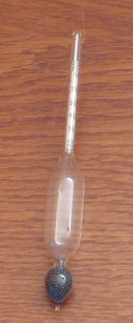
Hydrometer
(public domain)
Contrary to popular belief, you don't actually need a lot of expensive extra technology to start a brackish aquarium. Just like with freshwater tanks, you're going to need a filter, a tank hood/light, a heater, a (liquid) water testing set and a thermometer. A salt meter is also very important – without it, it's very hard to know whether your aquarium water is actually at the right salinity and mistakes are easily made. Refractometers (very accurate, but unfortunately also quite expensive) are usually recommended, but a hydrometer (less accurate, but much, much cheaper) is fine for most brackish aquariums too. Just make sure you get a salt meter that measures from 1.000 up – some are made specifically for reef tanks and start at much higher salinities (1.020+). A protein skimmer isn't necessary for a brackish aquarium.

How do I make brackish water?
Making brackish water is actually very easy; you just need water and marine aquarium salt. Some sites will tell you table salt is fine too, but table salt often contains iodine and anti caking agents, which can hurt your fish. Even “pure” salt, which is just NaCl and nothing else (and therefore often used for salt baths), isn't suitable – it doesn't contain the trace elements needed for a healthy aquarium and healthy fish. Marine aquarium salt is the way to go! To determine how much salt you need for a certain salinity easy, try one of the many online calculators so you don't have to figure it out yourself.

Actually 'making' brackish water should always be done outside the aquarium! If you just toss the salt in, you can't spot possible mistakes beforehand, which can result in a lot of extra work. Fish can also be burned when they try to eat salt grains, so always premix salt and water. To do this, fill a bucket (or multiple buckets) with the amount of water and salt you need. Using warm water will help the salt dissolve more easily, and if an airstone is also added you can just leave the buckets for a few hours – you'll find the salt has dissolved when you come back. Test whether the water temperature and salinity are correct (when doing a water change, the new water should be of the same salinity as the rest of the tank), add water conditioner if needed and voila! You have your brackish water.

How do I cycle a brackish aquarium?
Just like you would cycle a normal one! The salt can slow down the cycling process a bit, but if you use a liquid test kit to keep a close eye on the water parameters determining when fish can be added should be easy.

Converting an existing freshwater aquarium to a brackish one is also possible. Just take out any fish and plants that won't be able to survive in brackish water and increase the salinity of the tank with 0.002 every two weeks. Because the transition to brackish will be very slow, the beneficial bacteria in the filter have time to adjust and the cycle won't be damaged – increasing the salinity too quickly can cause ammonia or nitrite spikes.

If you find yourself with a brackish fish in your freshwater aquarium because you impulse bought or were misinformed, don't worry! You can set up a new aquarium fairly quickly and easily. If you fill up the new aquarium with fresh water, you can quick-cycle it by putting used filter media from another tank in the new filter. Move your brackish fish to the new (and now hopefully cycled) aquarium and closely monitor the water values for a week to see if they're stable – another week in fresh water should not be a problem for the fish. If you are sure the aquarium is cycled, you can start increasing the salinity very slowly until it's where it should be.

How do I decorate a brackish aquarium?
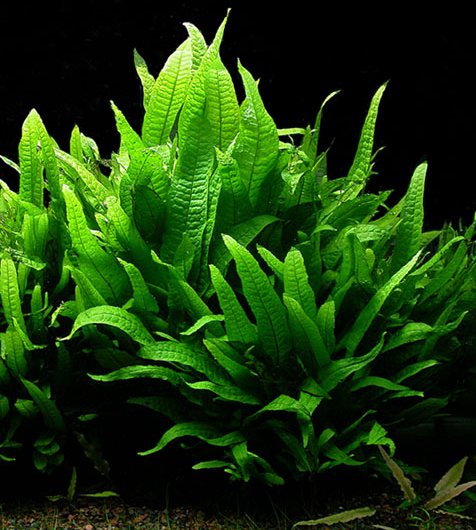
Java fern Microsorum pteropus (public domain)
A lot of people who think about setting up their own brackish tank are scared away by the seemingly very limited amount of decoration options, which is a shame! There are actually quite a few plants that can survive in low-end brackish aquariums, and even in mid-end brackish tanks there are still planting options – Java fern, Java moss, moss balls and mangroves all look great and can thrive in higher salinities. You can find a more complete list of plants that tolerate brackish water here.

But what about those high-end brackish aquariums? Even for those, there are many interesting aquascaping options. If you're in for a challenge, try sea grass – if you're not, or don't like the look of it, go for an interesting hardscape, silk plants, driftwood or artificial ornaments. You don't always need real plants to make a beautiful scape. Think out of the box!

So brackish aquariums aren't all that difficult to set up after all. But what about stocking them?

To make stocking your brackish aquarium easier, I have included a few of the less obvious species that tolerate or require brackish water – we all know about Monos and Scats, but have you ever considered these other fish and invertebrates for your brackish tank?

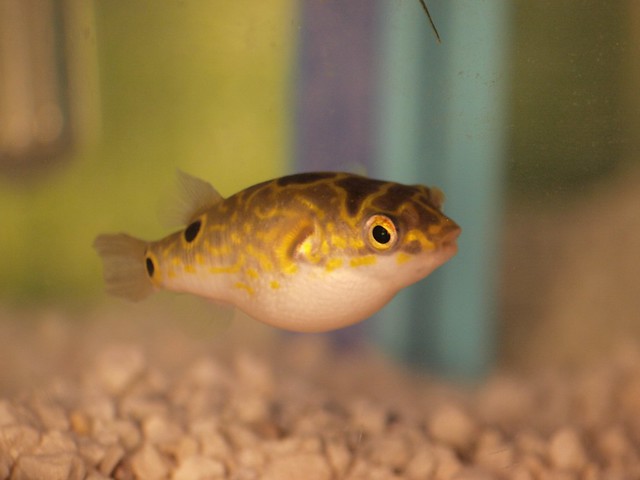
Figure 8 Puffer, Tetraodon biocellatus – contrary to what a lot of websites and pet stores say, the F8 Puffer is definitely not a freshwater fish, nor is it suitable for community tanks. If you've fallen in love with the F8's expressive face and interesting behaviour, be sure to set up a proper tank before you get one or you might not get to enjoy it for very long. Figure 8 Puffers can be kept in pairs when smaller, but get more aggressive as they age and should ideally be kept alone or with a select few tank mates. One F8 can live in a 20 gallon aquarium, as long as it's provided with heavy filtration and plenty of interesting plants, rocks and decorations to keep it entertained. The salt grade should be at 1.004-1.008 when the puffer is younger, but as it ages it should be increased to mid-end brackish: 1.009-1.015. To keep the teeth from overgrowing, feed your Figure 8 a varied diet of snails, crayfish, frozen/live shrimp, mussels and oysters.

Figure 8 puffer (jennifer.whiteford @ flickr)

Red Claw Crab, Sesarma Bidens – even though they are often kept in freshwater aquariums, these guys actually need brackish water and access to land, making a paludarium of at least 15 gallons with a salinity of around 1.005 in the aquatic part a much better home for them. Red Claw Crabs are omnivores, and will enjoy an varied diet consisting of peas, algae tablets, blood worms, zucchini, mosquito larvae and leafy greens. Be sure to eliminate any escape options, as these crabs love to go exploring and will try to crawl out of their tank – the holes for cables to go through should be as small as possible and the aquarium should be sealed. You don't want to spend your afternoon with a flashlight in your hands searching for a crab behind furniture!

Male and female red claw crab (badmanstropicalfish.com)

Knight Goby, Stigmatogobius sadanundio – although there is still much discussion on the salinity this interesting fish should be kept at, something between 1.004 and 1.007 is usually recommended. A 20 gallon aquarium with a sand bottom and some hiding places is enough for a small group – the Gobies will establish and defend their own territories and might eat smaller tankmates, so be sure to only keep them with medium-sized and larger fish! Knight Gobies will accept dried fish foods, but they prefer a diet consisting of live and frozen foods and a small amount of vegetable matter.

Knight goby (badmanstropicalfish.com)

Molly, Poecilia sphenops – yet another brackish water fish that is marketed as suitable for small freshwater aquariums, Mollies can actually survive in full marine setups and prefer a salt grade of at least around 1.004. Keeping them in an aquarium under 30 gallons can cause problems, as these active livebearers actually get quite large and like to live in groups of at least three. If you maintain mixed-sex groups, make sure there are at least 2 females for every male as males will constantly pursue females.

Captive-bred form of black molly (Marrabbio @ wikipedia)

Virgin nerite snail, Neritina virginea – if you're looking for an algae clean up crew for your brackish aquarium, look no further! These nerites do great in water with a salinity from 1.005 to 1.020+, and will do a great job at helping to keep the aquarium glass clear and clean without touching any plants. As long as you remember to feed your nerites some extra algae tabs when their regular food source runs out, they can be very useful and a pleasure to watch.

Virgin nerite shells (wikipedia)

Bumblebee goby, Brachygobius xanthozonus, Brachygobius nunus – Bumblebee gobies are one of the most interesting fish species to keep in a brackish aquarium, but they can also be quite the challenge because of their pickiness when it comes to food. They will not accept normal, dried fish foods and will have trouble getting enough to eat in a regular community tank – go for an aquarium with a limited amount of tankmates and target feed your Bumblebee gobies with frozen foods like bloodworms and mosquito larvae. The fact that they are territorial and can frequently be seen having little arguments over the best spots does not mean these gobies should be kept alone; keep 5 or more of them to keep them happy, preferably in an aquarium of at least 15 gallons with lots of hiding places, at a salinity up to around 1.007.

B. nanus (tropicalfishkeeping.com)

Hawaiian red shrimp, Halocaridina rubra – if you're looking for some inhabitants for your brackish nano tank, look no further! Naturally found in small, brackish pools near the beach, these small shrimp prefer an aquarium with lots of dark hiding places – lava stone is often used for this, as it mimics their natural habitat. They can adapt to a very wide range of salinities, so anything between 1.005-1.015 should be fine for them. When it comes to aquarium size, Hawaiian red shrimp aren't very demanding at all – a 5 gallon should be enough for a group. Feed your Hawaiian red shrimp with high quality algae wafers, freeze dried fish food and flakes and keep them in an aquarium with high water quality and they might actually live for up to 10 years!

Hawaiian red shrimp (www.petshrimp.com)

Indian mudskipper, Periophthalmus novemradiatus – Indian mudskippers are some of the the smallest mudskippers available in the aquarium trade, but they can still be quite a handful! They can actually walk and need access to land, making a paludarium the best choice if you want to keep them. Go for a tank of at least around 25 gallons for three mudksippers, with one or more large sand/mud island(s) for them to establish a territorium on. Be sure to eliminate any escape options, because these fish can actually climb up the glass and crawl through small holes! To ensure their health, keep your Indian mudskippers at a salinity between 1.005 and 1.015 and at a humidity of at least 60%. Feed them a varied carnivorous diet consisting of live insects like crickets and mealworms and frozen/live brine shrimp, bloodworms and shrimp.


Possible Stocking Options
I have also included a few possible ways to stock brackish aquariums of a certain size with the fish and invertebrates mentioned earlier. Remember not to just get these fish though, do your own research to figure out how to give them the best possible care. All of these stocks require a filtered, heated tank with ammonia and nitrites at 0 and a stable pH.

5 gallon aquarium
20 x Hawaiian red shrimp, Halocaridina rubra
4 x Virgin nerite snail, Neritina virginea

20 gallon aquarium
1x Figure 8 Puffer, Tetraodon biocellatus
8-10x Bumblebee goby, Brachygobius xanthozonus, Brachygobius nunus
(Bumblebee gobies are one of the only fish suitable as tankmates for a Figure 8)

55 gallon aquarium
3x Indian mudskipper, Periophthalmus novemradiatus
6-8x Molly, Poecilia sphenops
5x Virgin nerite snail, Neritina virginea
(Note that the mollies should have at least 25-30 gallons of swimming space, and the mudskippers need an island of about 12”x12”)

Now that you know how easy it is to set up a brackish aquarium, I hope you've been inspired to consider setting one up yourself! I'll be setting up mine soon too - it will be called home by a Figure 8 Puffer and a small group of Bumblebee gobies. 

Happy fishkeeping!
xoxo, Mari, admin of Aquariadise.

Monday, December 31, 2012

Other ideas for that small fish tank

I've seen a lot of cases where someone buys a betta and a bowl. They do get a heater for the bowl once they know the requirements of bettas. Then on down the line they upgrade to a 5 gal or a 10 gal tank. Now they have this bowl just sitting around. It's still large enough (but just barely) for a betta, so while it's still empty there is still that temptation to get another betta. Here are some nifty ideas to fill that bowl with things that aren't bettas. 

Shrimp Tank

Level of difficulty: Varied

There are a few variety of shrimp commonly found in pet stores. Ghost shrimp are most common. Red cherry shrimp can be found in some stores or from other hobbyists online. There are a lot of other varieties that can be found in specialized shops, but it's good to keep in mind that some are more difficult to care for than others. Shrimp are tropical creatures so they they will need a heater. They appreciate live plants and the benefits they bring, but you can just use low-light plants like anubias, java moss, and java fern. Shrimp have a very small bioload compared to fish, so you can have quite a few in a smaller tank. Some species also breed easily in aquariums. Just like fish, they will need some kind of regular maintenance.

Red cherry shrimp (Planetinverts.com)

Plants only Tank

Level of difficulty: Varied

A well-aquascaped tank even without fish can be a very striking thing. With a black background and black sand, the green plants pop. Add some rocks and driftwood to really complete the picture. This tank could be very easy or rather difficult depending on your choice of plants. Low-light, low-maintenance plants like anubias, java moss, and marimo moss balls can be grown with the ambient light from a window and little to no fertilizer. Marimo moss balls don't even need heaters. If you want a bit more of a project, you can have plants like crypts and dwarf hairgrass. These plants require enriched substrates, CO2, and in some cases high lighting.

Bowl planted with hornwort, java fern, and moss (plantetank.net)


Snail Tank

Level of difficulty: Moderate

While some people think them gross, a lot of people enjoy having snails in their aquariums for the benefits they offer as well as their interesting locomotion. A small tank without a betta is a great place to have snails. With larger snails like apple snails and rabbit snails, you could only have one, but with smaller snails like malaysian trumpet snails or ramshorn snails you could have quite a few. You will have to pay more attention to water quality and parameters as soft, acidic water will dissolve their shells. Larger snails like apple snails and rabbit snails will need to be fed, but the small snails can scavenge enough food from algae and biofilm supplied by water changes. Most snails will only eat dead and dying plant matter so you can combine them with a planted tank without worry. 

Golden rabbit snail (source)


Terrarium

Level of difficulty: Easy

One idea that people don't normally think about is removing all the water from the bowl. If you have a sunny spot in your house or office you won't need a light. Some aquarium plants can be grown on land if the soil is moist enough, or you could take house plants and pot them in the tank. Moss terrariums are another option and don't need to be watered often if the tank has a top that reduces evaporation. If you're worried that other house pets might get into the terrarium, you should plant species that are okay to be nibbled on by cats and dogs or get secure lids.

Moss terrarium in a bowl (mountainmoss.com)

I know that temptation to buy another betta when you have extra bowls and tanks laying around is very strong. I've fallen prey to it a few times, and I can tell you the best way to reduce that temptation is to fill those extra bowls with something else. My extra tanks are currently being used as moss terrariums and Marimo aquariums.

Thursday, December 13, 2012

My Tanks: 13 Dec Update

A lot has happened since my last tank update. Basically something has changed in every single tank. Most of the changes have been for the better. This will probably be my last tank update of the year as I'll have to wait until after Christmas to add any more fish because we will be leaving on vacation. I don't like to have fish in QT while I'm away.

I bought a new goldfish buddy for my remaining ryukin. She went through a 3 week QT just fine, and they are now swimming together in the large 55 gal. I've seen the breeding tubercules on the ryukin, but I don't see them on the new redcap oranda. And I've seen the ryukin nudging the oranda's vent. I've come to the conclusion that the new goldfish is a girl. I'd really rather have all males to avoid the breeding issue, but it's done and over with. Plus, my new oranda is just precious and outgoing as ever! How could I not love her?


My newest goldfish, a redcap oranda named Burbbles

Burbbles and Magikarp playing together. It's so hard to get them both in focus.

My 29 gal community has undergone the most changes. I added a new large piece of driftwood that I ordered from Aquariumplants.com as well as about 2 more species of plants. I've added green tiger lotus (Nymphaea lotus)  and Cryptocoryne undulata. I ordered them from PetsWarehouse.com, and I can't say I'm too pleased with the packaging. The plants weren't protected very well; there was no padding and the plants were just in plastic bags. The box was visibly crumbled, and some of the plants look damaged. It remains to be seen if they will recover.

Anyway, this complete the aquascape and hardscape. I'm going to let these plants establish for about a month before I begin stocking the fish. I still haven't decided on a final stocking plan, but I do know I will have a tetra species, a gourami species, and a twig catfish (Farlowella spp).

The crypts are small and hardly visible,
but the lotus is that large reddish leaf in the center.


Since I have written you, I've lost one of my bettas, Knucker. He was my oldest and had the worst health due to inbreeding.  During his last months I noticed he lost control of swim bladder and could not maintain neutral buoyancy, a problem common in double-tail bettas. While not a double-tail himself, I believe he carried the genes as I saw a lot of bad hallmarks of the double-tail like scoop head, a huge dorsal, and massive fins. I placed him in a breeder box in the 29 gal. I returned from a Thanksgiving vacation to find him dead, but I take heart in knowing that I gave him the best care and he probably wouldn't have gotten the same if another person had picked him up from the shelf.

Goodbye, Knucker. The picture on the left is from when I first bought him.

The last major change I made was for the plants. I've noticed rather stalled growth in many of my plants. I dose weekly with micronutrients using Seachem Comprehensive, but I still didn't get good growth. After a little research I figured out it is because my water is so soft. I started adding Seachem Equilibrium to raise the GH up to about 6 in each of my softwater tanks. I use it to raise the GH to around 10 in my goldfish tank as they are hardwater fishes. As of right now I haven't seen a large increase in plant health, but I didn't expect it so soon as I've only been using Equilibrium for two weeks now.